
African Grey Parrots for Sale
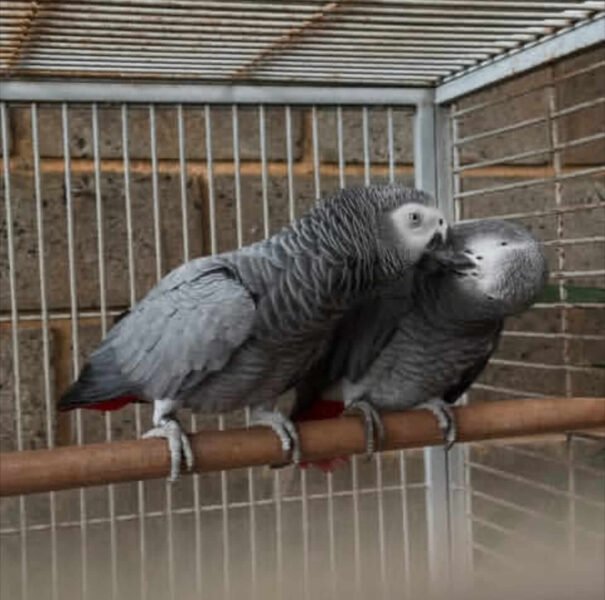
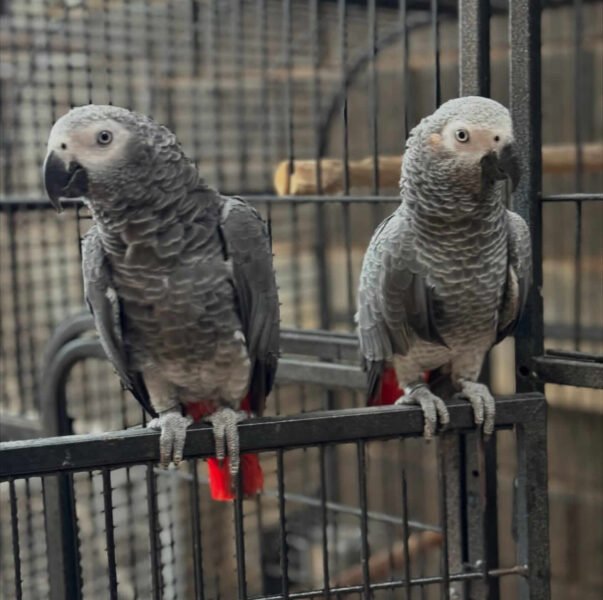
African Grey Parrots for Sale: What Every Serious Buyer Must Know
If you’re searching for African Grey Parrots for sale, you’re not browsing for a casual pet. You’re considering one of the most intelligent birds on the planet a species that can live 40 to 60 years, learn hundreds of words, and bond with its human like few animals can. The decision deserves more than a quick purchase. And when you start comparing African Grey Parrots for sale listings online, the difference between a responsible breeder and a risky one becomes obvious fast.
At My Pets Comfort, every breeder profile is reviewed before it goes live. We connect you directly with verified breeders across the USA no middleman, no hidden fees. This guide walks you through what to expect, what to ask, and how to choose an African Grey for sale that comes from a responsible source. If you’ve been overwhelmed by the range of African Grey Parrots for sale options, this is the guide that cuts through the noise
Why African Greys Are Unlike Any Other Pet
Intelligence That Demands Engagement
African Greys aren’t just mimics they comprehend meaning. Chewy’s African Grey care sheet notes that these birds can learn hundreds of words and sounds, and some can even tell jokes and speak foreign languages. That intelligence is a gift and a responsibility. A bored Grey is a destructive Grey. These birds need daily interaction, problem-solving toys, and foraging opportunities to stay mentally healthy.
A Lifetime Commitment—Literally
African Greys can live 30 to 50 years in captivity, and some live longer. Exotic Pet Vets puts the range at 40 to 60+ years. This is not a pet you buy for a season. It’s a companion that may outlive your children’s childhood. Pet parents often pass them down to their children and grandchildren. Before you search for African Grey Parrots for sale, ask yourself honestly: can you commit to decades of care? That question matters more than any price tag you’ll see on African Grey Parrots for sale listings.
Not a Beginner’s Bird
Chewy’s care team states plainly: African Greys are “not recommended for new or beginner bird owners due to their high social needs.” They bond closely with their humans and develop strong personalities—but they also shut down under pressure, can become fearful or aggressive if mishandled, and are sensitive to changes in routine. Experience with birds matters. If this is your first parrot, consider a different species first.
Finding African Grey Parrots for Sale You Can Trust
Legal Status: CITES Appendix I and Captive Breeding
This is the most important thing to understand before you buy. African Grey Parrots were uplisted to CITES Appendix I in 2016, which effectively bans all international commercial trade in wild-caught birds. The International Fund for Animal Welfare (IFAW) reports that over 1.3 million grey parrots were captured and entered international trade between 1982 and 2001, and that up to 66% of captured birds died before even entering the trade pipeline.
What CITES Protection Means for Buyers
Every legally sold African Grey in the US today is captive-bred. Wild capture has been banned globally since 2017. This matters for two reasons:
-
Supply is limited. Captive breeding is labor-intensive and expensive, which keeps prices stable and relatively high.
-
Documentation is essential. A legitimate breeder should provide proof of captive breeding, hatch certificates, and closed band numbers.
Documentation to Request from Any Breeder
When you contact breeders about African Grey Parrots for sale, ask for:
-
Hatch certificate or breeding records
-
Closed leg band (a seamless band indicates captive-bred, not wild-caught)
-
Veterinary health certificate from an avian vet
-
DNA sexing results (if the bird is sexed)
-
CITES documentation where applicable
If a breeder can’t provide these, walk away. The price of a cheap bird is not worth the legal and ethical risk. Responsible African Grey Parrots for sale listings always come with paperwork—if a listing doesn’t, that’s your first clue to keep looking.
Health and Socialization Signals
A healthy African Grey should be alert, responsive, and comfortable with gentle handling. Chewy’s care sheet recommends asking about socialization: has the bird been hand-fed? Is it comfortable stepping up? Does it show fear or aggression when approached?
Exotic Pet Vets also notes that African Greys may require slightly more protein and calcium than other parrots, and that UVB exposure is especially important for calcium absorption. Ask breeders about diet and lighting—these details signal a thoughtful program.
Red Flags in African Grey Listings
-
No documentation — No hatch certificate, no band, no vet records.
-
Prices far below market — A hand-raised Congo Grey for under $300 is almost certainly a scam.
-
Wire-transfer-only payment — Legitimate breeders accept traceable payments and provide contracts.
-
Stock photos reused across sites — Scammers recycle the same images.
-
“Shipping today” pressure — Real breeders don’t rush you.
-
No video call option — If you can’t see the bird in real time, don’t send money.
When you compare African Grey Parrots for sale, documentation and transparency are the dividing line between a responsible breeder and a risky transaction. The best African Grey Parrots for sale listings make verification easy—the worst ones make it impossible.
Understanding African Grey Pricing
Typical Price Ranges for Hand-Raised Birds
African Grey pricing varies by age, subspecies, and breeder quality. According to market data:
-
Reserved hatchling: $400–$500
-
3–4 month weaned baby: $500–$900
-
6–12 month juvenile: $800–$1,500
-
Hand-raised adult, confirmed sex: $950–$1,400
-
Bonded adult pair: $2,500–$3,500
Hepper’s 2026 price guide lists breeder prices from $1,000 to $5,000, with adoption from $250 to $750. The Vet Desk reports $800 to $4,000 from breeders. The wide range reflects real differences in hand-feeding labor, veterinary care, DNA testing, and documentation.
Congo vs. Timneh: The Congo African Grey is larger, with a black beak and bright red tail. The Timneh is smaller, with a paler upper beak and darker tail—and typically 20–30% cheaper at $1,000–$1,800 for a hand-raised baby. Both are equally intelligent. If price matters and you’re flexible on appearance, a Timneh offers better value.
The True First-Year Cost Beyond the Purchase Price
The bird is the entry fee, not the full cost. Hepper estimates initial setup and supplies at $995–$1,545, with cages alone running $800–$1,200. Monthly maintenance averages $115–$265.
First-year essentials beyond the bird:
| Item | Typical Cost |
|---|---|
| Cage (minimum 36″ × 24″ × 48″) | $300–$1,200 |
| Perches, toys, bowls, carrier | $150–$300 |
| Avian vet exam and baseline labs | $100–$250 |
| Food (pellets, fresh produce, treats) | $500–$800/year |
Budget for $1,300–$2,500 in year one beyond the purchase price. African Greys are not an inexpensive pet—and the ongoing costs don’t stop after year one.
Caring for Your African Grey: The Essentials
Housing and Environment
African Greys need space. Exotic Pet Vets recommends a minimum cage size of 36″ long × 24″ wide × 48″ tall, with larger enclosures preferred. Chewy suggests 40 × 30 × 60 inches with bar spacing no larger than ¾ inch.
Place the cage in an active part of the home—but away from the kitchen (birds are highly sensitive to cooking fumes) and away from plug-in air fresheners. Keep temperatures between 65–80°F. Provide a full-spectrum UV light for 10–12 hours daily if natural sunlight isn’t available.
Diet and Nutrition
Pellets should make up 60–70% of the diet, with fresh fruits, vegetables, and grains comprising the rest. Exotic Pet Vets recommends 60–80% pellets and notes that African Greys may need extra protein and calcium—offer beans, quinoa, tofu, kale, apricots, almonds, and walnuts.
Fresh water daily. Clean food and water bowls every day. This is not optional—spoiled food causes illness quickly.
Social and Mental Stimulation
African Greys are flock animals. They need daily one-on-one time. When you’re not interacting directly, they need toys and foraging activities to keep their minds occupied. Rotate toys regularly—but introduce new items one at a time, as Greys don’t deal well with sudden change.
Chewy’s “Do’s and Don’ts” for African Greys emphasizes allowing young Greys to fledge (learn to fly) before any wing trimming, and avoiding hard falls that can cause lifelong fear and aggression issues. If you’re buying a young bird, ask the breeder about fledging history. Whether you’re comparing African Grey Parrots for sale from a local breeder or one across the country, these care details matter more than the listing photo.
Frequently Asked Questions About African Grey Parrots
How long do African Grey Parrots live?
African Greys can live 30 to 50 years in captivity, with some sources reporting 40–60+ years. This is a lifetime commitment—plan accordingly.
Are African Greys good pets for beginners?
No. Chewy’s care team explicitly states they are “not recommended for new or beginner bird owners due to their high social needs.” They require experienced handling, daily interaction, and an understanding of parrot behavior. First-time bird owners should gain experience with a less demanding species first.
What paperwork should come with an African Grey?
A legitimate breeder should provide a hatch certificate, closed leg band, veterinary health certificate from an avian vet, and DNA sexing results if applicable. CITES documentation may also apply. If a breeder can’t provide these, the bird’s origin is questionable. Any African Grey Parrots for sale listing from a verified breeder should include this documentation upfront.
How much does an African Grey Parrot cost?
Hand-raised African Greys from breeders typically range from $400 to $3,500 depending on age, subspecies, and documentation. Congo Greys command higher prices than Timnehs. Budget an additional $1,300–$2,500 for first-year setup and care. A price far below market on African Grey Parrots for sale is a red flag, not a bargain.
Ready to Find Your African Grey?
Browse Verified African Grey Listings
Finding the right African Grey for sale starts with finding the right breeder. On My Pets Comfort, every breeder profile is reviewed before it goes live. You can browse current African Grey Parrots for sale, compare breeders by location and experience, and contact them directly with your questions—no middleman, no hidden fees. Every African Grey Parrots for sale listing on our platform includes breeder contact details and documentation requirements.
[Browse African Grey Parrots for Sale →]
Have questions? Visit our Contact page or review our Breeder Verification Process to learn how we evaluate the breeders on our platform.

Conclusion
Bringing home an African Grey Parrot is a decision measured in decades, not months. These birds are brilliant, sensitive, and demanding—and they reward the right owner with a relationship unlike any other. The key is starting with a healthy, captive-bred bird from a breeder who provides documentation and welcomes your questions. When you’re comparing African Grey Parrots for sale, that principle should guide every decision you make.
At My Pets Comfort, we built our platform around that principle. Every African Grey Parrots for sale listing connects you directly with a breeder whose profile has been reviewed. Every breeder is reachable. And every African Grey for sale on our platform is a step closer to the companion who may greet you—and talk with you—for the next 40 years. The best African Grey Parrots for sale experience starts with transparency—and that’s what we built here.
If you’re ready to start your search, browse available African Grey Parrots or contact our support team with your questions about African Grey Parrots for sale.